









How Lifelong Learning Fuels Real Self-Reliance
Learning is not something that begins when you start preschool or ends when you finish college. It is a living process that stretches across every season of life. A sharp, flexible mind can be just as important as physical health, financial stability, or practical skills. When people keep learning, they stay curious, capable, and prepared. When they stop, they become limited by old knowledge that no longer fits the world they live in.
Self-reliant individuals and families understand that strength is not only stored in the pantry or built with tools. It also lives in the mind. Continuous learning protects that strength and expands it. It keeps you open to growth and ready to solve new problems. It helps you adapt when life changes. And it gives you the confidence that whatever comes next, you can figure it out.
Here is why staying in learning mode matters and how people of any age can refresh their skills, gain new insights, and build the kind of independence that lasts.
Learning Keeps the Brain Alive and Alert
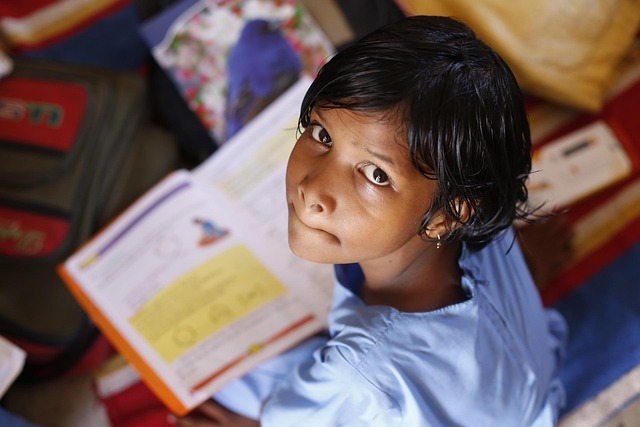
The brain thrives on challenge. It builds new pathways when you explore new ideas, learn new skills, or solve unfamiliar problems. This keeps your mind quick and ready. People who engage in steady learning tend to think more clearly, adapt more easily, and handle stress more effectively. It is similar to physical fitness. If you work the muscles, they grow stronger. If you rest too long, they weaken.
This matters at every age. Children gain confidence and curiosity through learning. Adults deepen their expertise and stay competitive. Older adults maintain memory, creativity, and mental sharpness. You never age out of the ability to learn something new. The only real limit is whether you choose to keep going.
Learning Expands Your Options
When you gain new skills, you unlock new choices. That alone is a form of power.
Imagine a person who learns to cook from scratch. They rely less on processed foods and restaurants. Someone who learns basic home repair spends less on contractors. A person who learns financial literacy avoids debt traps. Someone who learns digital skills can earn income from home. A gardener who studies soil health can grow more productive crops.
Each skill cuts dependency on outside systems and increases your ability to shape your own life. Over time, these skills pile up, and you become flexible enough to handle whatever challenges appear.
Learning Builds True Self-Reliance

Self-reliance thrives on three things. Awareness, adaptability, and problem solving. Continuous learning develops all three.
Awareness comes from understanding how things work. When you study a subject, even casually, you become harder to mislead. You recognize patterns. You see red flags sooner. You notice opportunities.
Adaptability grows from exposure to new ideas and methods. When you learn often, you experience the feeling of uncertainty, discovery, and mastery over and over. This makes change less threatening.
Problem solving improves when you stretch your mind beyond familiar tasks. Each new skill gives you more tools to work with. You start thinking more creatively and more calmly under pressure.
These qualities support everything from personal health to household management to career growth. They help you stay steady in a world that constantly shifts.
Learning Can Come from Anywhere
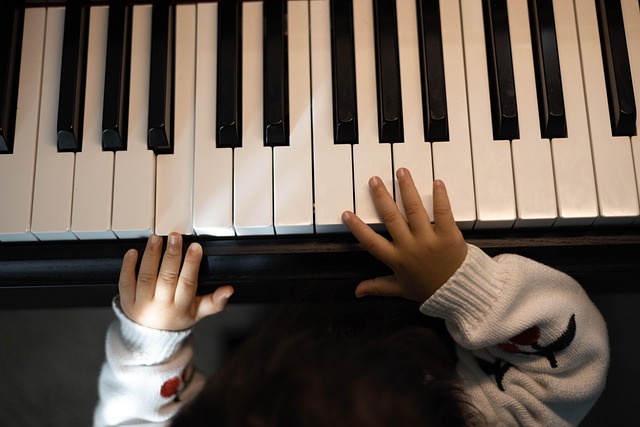
One of the biggest myths about education is that it requires formal classes or expensive programs. In truth, meaningful learning often happens in simple, everyday ways. Here are some reliable paths anyone can use.
1. Books and audiobooks.
This remains one of the most accessible ways to gain knowledge. You can explore history, science, psychology, business, literature, or practical skills. Libraries, used bookstores, and online platforms put endless information within reach. Audiobooks help busy people learn during commutes, walks, or chores.
2. Online courses and workshops.
There are courses for nearly every skill. Coding, writing, gardening, investing, homesteading, art, fitness, languages, trades, and more. Many are affordable. Some are free. They allow you to learn at your own pace and revisit information whenever you need it.
3. Hands-on practice.
Some skills only come alive when you try them. Cooking, carpentry, painting, music, herbalism, sewing, foraging, repair work, and mechanical skills become real through repetition. Hands on learning is powerful because you feel your progress as it happens.
4. Mentors and real life teachers.
Sometimes the best lessons come from people who have lived the experience. A neighbor with a garden full of knowledge. A relative who knows how to fix anything. A friend who runs a business. A coworker who handles challenges with calm focus. Guidance from experienced people provides context you will not find in textbooks.
5. Community groups and clubs.
Local meetups, hobby clubs, volunteer organizations, and community classes bring people together with shared goals. These groups often provide inspiration, accountability, and connection. They also help you meet people who can teach you skills you never considered learning.
6. Observation and curiosity.
You can learn a lot simply by paying attention. How someone handles conflict. How a business organizes its workflow. How nature responds to the seasons. How a skilled craftsperson works. Curiosity turns daily life into a classroom.
7. Reflection and journaling.
Writing down what you learn helps lock it in. It also reveals patterns in your thinking, helps you track progress, and clarifies your goals. Reflection turns scattered pieces of knowledge into practical understanding.
Learning Helps You Adapt to a Changing World

Technology changes jobs. Markets shift. Communities move. New problems appear. When people stay mentally flexible, they handle these changes without panic. They can shift careers, start businesses, learn new tools, and navigate unfamiliar situations.
Those who stop learning often feel overwhelmed by modern challenges. The gap grows each year. Continuous education narrows that gap and keeps you capable in a world that never stays still.
Learning Strengthens Personal Confidence
When you know you can learn anything, you stop fearing the unknown. Confidence grows not because you know everything, but because you trust your ability to figure things out. This is the heart of real independence.
A person who learns willingly approaches life with curiosity instead of fear. They take on projects they once avoided. They make decisions with more clarity. They recover faster from mistakes because they see them as lessons rather than failures.
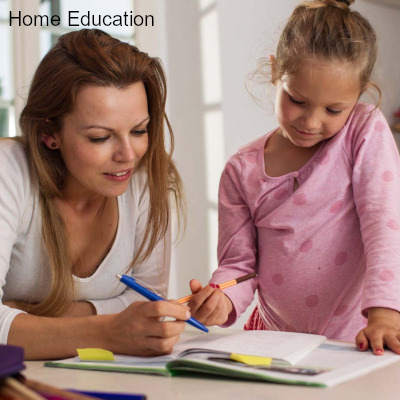
This mindset is a huge gift to children. When they grow up in a home where learning is normal and encouraged, they adopt the same spirit. They become problem solvers instead of passive observers.
Learning Builds Stronger Families and Communities
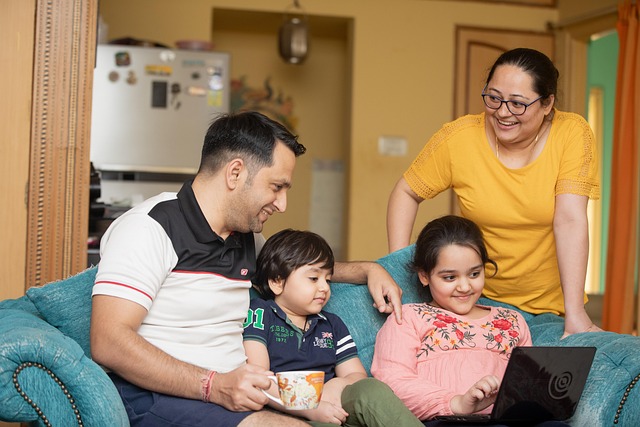
A community filled with people who continue learning becomes more resilient. Skills are shared. Knowledge circulates. People support each other with experience instead of guesswork. Families learn together. Neighbors trade skills. Local networks grow stronger. Everyone benefits.
Self reliance is not isolation. It is cooperation built on strength. Learning fuels that strength.
Final Thoughts
Lifelong learning is both simple and powerful. It keeps the mind sharp, expands your options, and strengthens your ability to handle challenges. It builds confidence, fuels creativity, and supports real self reliance. It helps you grow into the kind of person who can solve problems, adapt quickly, and contribute to others.
At any age, in any season, you can pick up a new skill or explore a new idea. You only need curiosity, effort, and a willingness to start.
A mind that stays in motion stays capable. And a capable mind is one of the most valuable tools a self-reliant life can have.
Read More